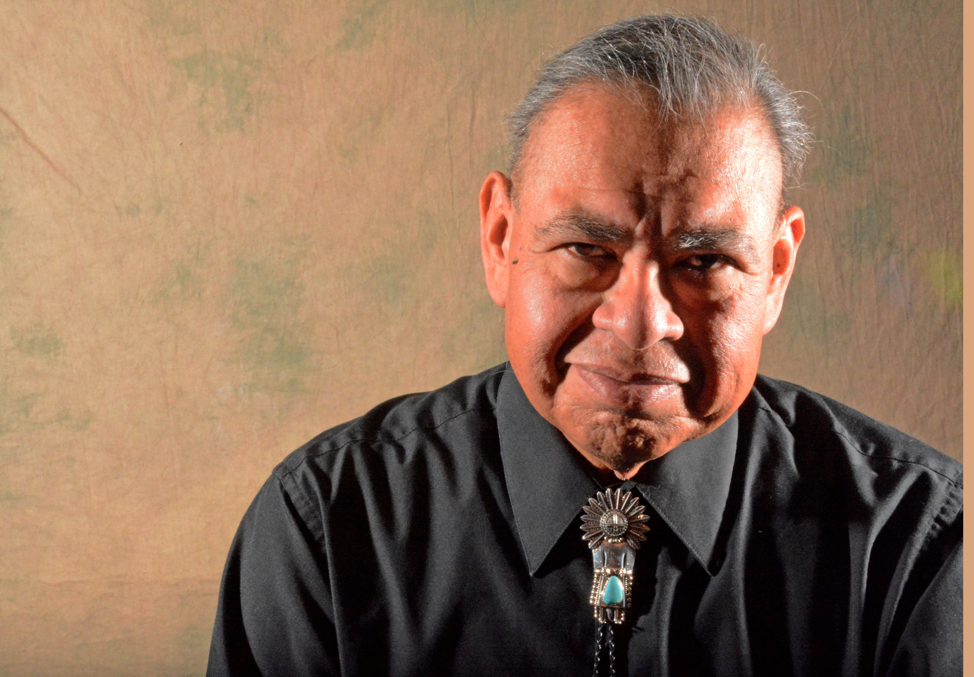
Jennifer Bates, Amazon Union Organizer
Jennifer Bates, who helped lead the union organizing effort at Amazon’s Bessemer, Alabama facility (BHM1), grew up in a small, tight-knit community where faith, family, and hard work were central. Over decades working in food service, manufacturing, and finally on the warehouse floor, she saw firsthand how the promise of progress — “if you work hard, you’ll move up” — doesn’t always match reality.
Her leadership in the Bessemer campaign connected her with the Retail, Wholesale and Department Store Union (RWDSU), a national labor union representing workers in retail, grocery, warehouse, and manufacturing industries. RWDSU is part of the United Food and Commercial Workers (UFCW) and has long fought for fair wages, safe conditions, and dignity on the job. In Bessemer, RWDSU partnered with Bates and her coworkers to organize one of the largest modern unionization drives in the South.
The effort made national headlines and helped spark a wave of labor activism across the United States. Through it all, Bates has grounded her fight for fair working conditions in the same values she learned as a child — community, compassion, and the belief that no one should be treated as less than human for simply doing their job.
This conversation has been edited for length and clarity.
Looking back, what moments or lessons from your early jobs shaped your views on fairness and dignity at work?
I knew early on that working meant survival — that’s how you put money in your pocket. And I also believed that if you worked hard, you’d move up. But over time, I learned that wasn’t always true. When I worked at the plant making Toyota manifolds, it was tough — long hours, bad smells, and I got sick the first week. But I stuck it out because I wanted to prove to my family that I could. That’s where I learned what it meant to have structure and accountability.
How did growing up in Alabama — and then later returning home — shape the way you approached organizing in Bessemer?
Growing up, I was the oldest of six, and my mom worked two jobs. I used to walk to church with my grandmother, and that’s where I learned my values — community, fairness, and having a heart for people. Everyone in town knew each other. We didn’t have much, but we took care of each other.
I’ve always had a heart for people. Even as a child, I couldn’t stand to see someone being treated unfairly. My mom used to say, “Our house might look raggedy on the outside, but it’s clean on the inside.” That stuck with me. It’s not about how things look — it’s about how you treat people.
You’ve described yourself as someone who “can’t just stand by when something’s wrong.” When did that first become clear to you inside the warehouse? Was there a specific day or incident?
The first week. That’s all it took. I remember walking into that four-story facility and wondering why there were almost no elevators for workers. If you couldn’t climb stairs, you were in trouble. The one elevator for people was only for those with medical issues — everything else was for products. You’d have to load a pallet and then run up the stairs to meet it. It made no sense.
One day, the detector went off, and they pulled me aside, made me empty my pockets, take off my shoes. I felt violated. Then they told me I wouldn’t get my lunch time back because it was “the rules.” That’s when I realized — this place doesn’t care about people. It’s all about production.
What did a typical day look like at BHM1?
It was constant movement. You scan in at the gate, clock in again, then you’re tracked every second. Scan, scan, scan — nonstop. If the conveyor broke, if the machine went down, it didn’t matter. You’d still get written up for “low numbers.”
We were treated like machines. People fainted on the floor. They’d hand out penny candy as rewards for meeting quotas. Meanwhile, we were being timed in the bathroom. There was no empathy — none. I saw one mother fired for leaving to pick up her sick child during COVID. It broke my heart. That’s when I knew we needed a union.
How did those experiences lead to the union effort at Bessemer?
My brother-in-law Daryl came to work one day and said he’d called RWDSU in Birmingham. We met with them and told them everything we’d seen — the mistreatment, the safety issues, the lies during COVID. They said, “You’ve got every reason to form a union.”
What kind of resistance did you face?
Management tried to isolate us. They’d move me to different stations so I couldn’t talk to people. If someone was seen talking to me, they’d be reassigned the next day.
We had “employee relations meetings,” which were really union-busting meetings. We’d go in and challenge what they said. If they lied, we told the truth. RWDSU trained us on our rights, and that knowledge gave us power.
We weren’t afraid to speak up anymore. We knew we were protected.
How did you and your coworkers manage fear and build courage?
By reminding people they weren’t alone. Once folks saw that we had rights — that we could file charges if they retaliated — they started standing taller. And I thank God for the elders who’d been in unions before. Their stories gave people strength. Fear turns into courage when people realize their voice matters.
What challenges and opportunities did being a woman of color in the South bring to your organizing work?
It made me stronger, but it was hard. Some people said, “Amazon pays me $15 — that’s better than my last job.” And I get that. But $15 isn’t freedom if it comes with exhaustion and no respect. I told them, “You can’t get promoted if you’re stuck. We’re fighting for more than money — we’re fighting for dignity.”
They tried to make things harder for us — faster traffic lights, surveillance, even colleagues turned informants. But for every obstacle, there was someone new showing support.
After your termination and reinstatement, how did your outlook on worker power change?
When I was fired, I didn’t give up. I appealed, I filed charges, and I was reinstated. But when I came back, they still found ways to push me out — extending my leave, refusing to accommodate me. That’s when I realized this fight isn’t just about one warehouse. It’s about changing the laws.
We won in court, but we’re still waiting for a new election date. It showed me that unless labor laws change, companies like Amazon will keep doing what they want.
If you could redo any part of the campaign, what would you change?
Nothing. We didn’t lose. We lit the match. We showed the world that workers in the South — especially workers of color — could stand up. What we did gave courage to people everywhere.
Where do you think the labor movement in the South stands today?
It’s stronger than it looks. We’re in beast mode — maybe quiet right now, but learning, organizing, growing. The knowledge is spreading. We’re coming back with power.
What gives you hope about the next generation of organizers?
The young people. They’re hungry. They’re learning about labor, asking questions, getting involved. We’re setting the foundation for them to build on. One day we’ll look back and say, “Here they come.”
What do you want policymakers, journalists, and consumers to understand about the people who make Amazon’s promises possible?
I want them to see families. When you go home to eat dinner with your loved ones, think about the people who pack your boxes. When you go on vacation, think about the families behind those packages. We’re not machines — we’re people.
If you could leave students and future organizers with one lesson from your journey, what would it be?
Empower, empower, empower. That’s it. Use your voice and help others find theirs. Don’t ever stop fighting for fairness. Stand bold in who you are, stand firm in what you believe in, and fear nothing!