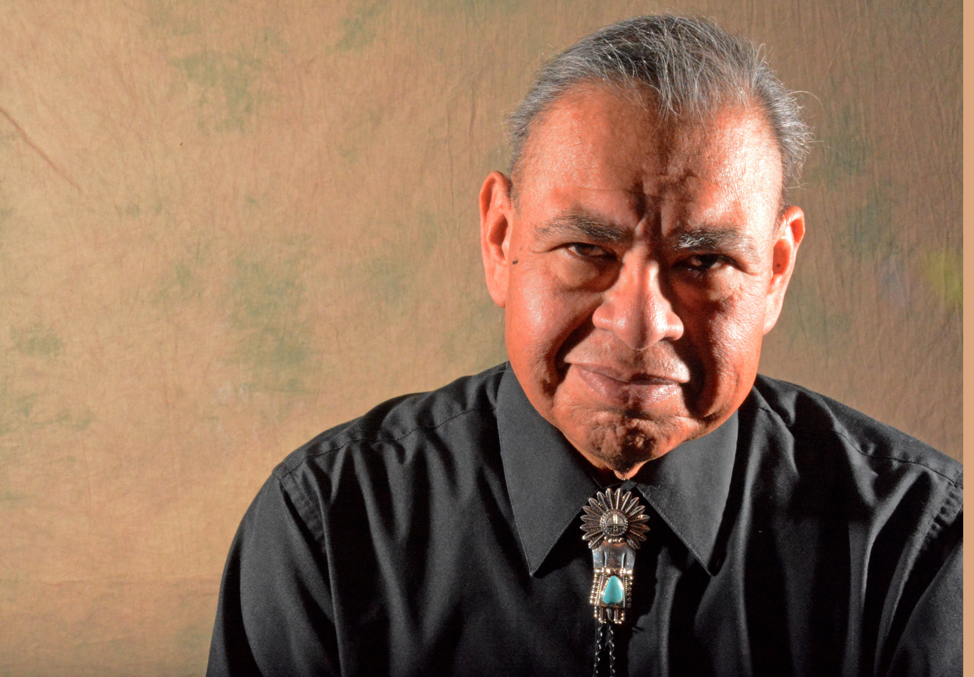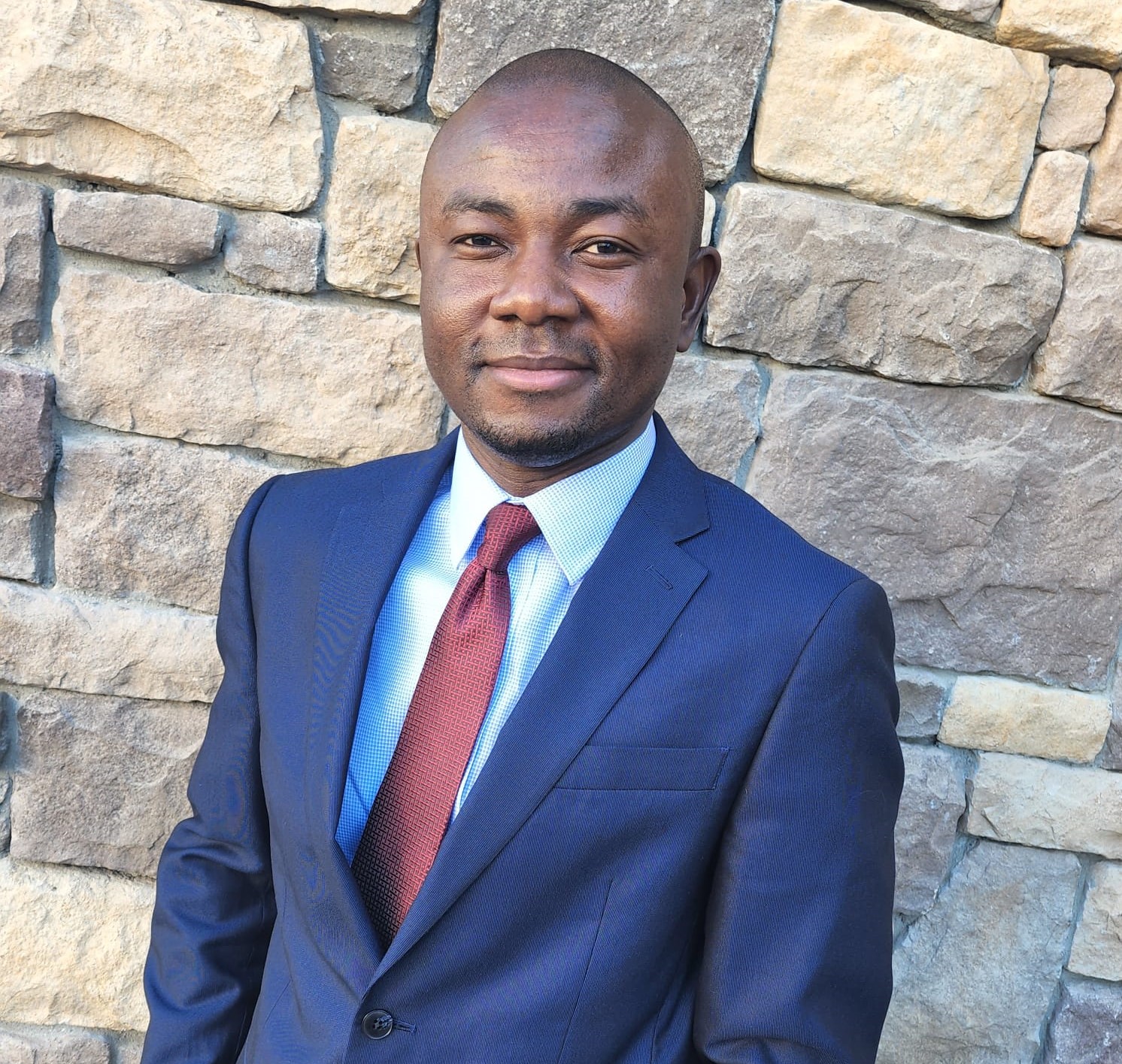
Kevin Patel, youth environmental justice activist and founder of Earth Era Institute
Kevin J. Patel is an environmentalist, speaker, and climate activist who has fought for the last decade to empower community members to respond to climate issues in their localities. He is passionate about helping marginalized communities mitigate the impacts of the climate crisis. Patel has collaborated with numerous national organizations such as National Geographic, the Climate Reality Project, and Greenpeace to uplift positive messages and prepare young voices to do the same.
Patel deeply resonates with the experiences of Gen Z as the generation navigates news and perceives climate issues. He uses various methods to craft climate solutions collectively with community members.
Ahead of Kevin Patel’s visit to the Penn State’s University Park campus on Nov. 9-10, 2026, he spoke with Penn State Sustainability’s Keia Jones to reflect on his work, initiatives, and hopes for the future of the climate and society.
(This conversation has been edited for length and clarity.)
Young people have experienced several phases of the climate crisis. What do you see as the most important issue(s) to young people today?
One of the biggest issues is that young people haven’t experienced the world without a climate crisis. Young people already know that climate change is here. They are involved in the conversation, asking, “What can I do?” and “How can I build a family for myself?” Young people want to know that their work matters.
It’s important to create pathways to help them know that they have agency in solving problems rather than inheriting them. The ability to instill imagination in community members of all ages and backgrounds is paramount. There are so many issues that are important to us, so we talk about how to imagine and create a way out.
So many issues are important to us as young people. There often comes a thought that, “I’m only one person. What can I do to help?” I’ve been hearing that sentiment from a lot of young people lately, especially high school, middle school, and even college students. I talk about instilling imagination because if we’re able to imagine what is possible from the work of just one or a few individuals, then we’ll be able to come up with creative ways to solve these issues.
How are youth using the tools available to them to create lasting support for climate initiatives?
Considering the tools that young people are using, they have the foundations to create a lasting infrastructure. Social media creates change by connecting stories between people who haven’t met. What’s exciting to me is building a combination of digital and physical infrastructure by creating small coalitions in digital spaces and then bringing them into the physical.
Nothing can be done in a silo. Mentorship is so important. Young people have built movements, but a movement cannot last just because of a moment of attention, so the focus has to be on how we can make lasting change.
How do you help people who grew up at a distance from obvious climate issues become more involved?
If someone isn’t experiencing wildfires, droughts, hurricanes, or visible environmental degradation, then it might feel like someone else’s issue. But there isn’t really an area that’s untouched by the climate crisis. Instead of beginning with fear or asking people to immediately identify as climate activists, we start with connecting to what someone cares about. When you connect climate to something that is real to someone, then people can resonate with the bigger issue.
I’m sitting through 102 degree weather right now, and we have community members who are sitting outside in this heat. We need to realize that everywhere will be impacted by climate, and anyone can connect to it right now in their individual situation.
Two things help us connect people to climate: making solutions sexy and enticing so people care, then connecting it to an issue that is near and dear to what they care about. When people talk about the kind of future they want for their community, it opens the door for so much.
OneUpAction has helped platform youth voices and experiences within the climate struggle. Can you speak to some triumphs of the organization at large and give us an example of a success closer to the ground?
At OneUpAction we were involved in creating a youth climate commission, which the United States Environmental Protection Agency was inspired by. Later, then-Sen. Laphonza Butler (D-CA) and Sen. Ed Markley (D-MA) created a federal congressional bill called the Youth Climate Leadership Act of 2024, which was one of the bills that came from that work.
That was one of OneUpAction’s biggest accomplishments: being behind the scenes, supporting young people, and giving young people a real seat in government – a real way to use their voices. Those are some of the moments that make it worth doing and improving.
Your ongoing efforts expand on your work with OneUpAction, which is being renamed the Earth Era Institute. Can you share some background behind the name?
‘Era’ is a reference tipping a hat to Gen Z’s connection to Taylor Swift’s Eras tour. We wanted to flip it on its head and say everyone who hasn’t dared that they can do this work can do this work, and now is the time for it.
There are four pillars, with research being the top priority; then community activation – think coming together for a climate cinema or another venue of connection; third cultural activation, including climate policy summits; and fourth, using the funds that we have to focus on youth in indigenous communities.
When we’re done with marches, what happens next? For Earth Era Institute, how are we supporting community resources, youth voices, spreading positive stories and stories that need to be told? We’re using this infrastructure to connect culture, climate and community.
Activism has gone through several phases of reimagination over the past 40-plus years. I move through my community listening to our collective needs and ask, “What does the next era of activism look like? Is it going to come from communities leading the initiative, or someone far away? How do we change the way climate solutions are implemented in a community from proposal to end infrastructure?”
As you lead Earth Era Institute, you are also actively pursuing an undergraduate degree. Why is a formal education still valuable to you in this economic, social and political environment?
Formal education remains valuable. It’s a powerful tool, but when an institution remains within a broken system we need to reframe what we can expect. It can give people the opportunity to ask better questions and to build frameworks for better systems in interdisciplinary spaces.
You need people who can move between fields. The value in higher education is found through programming that is rigorous and at the same time experimental.