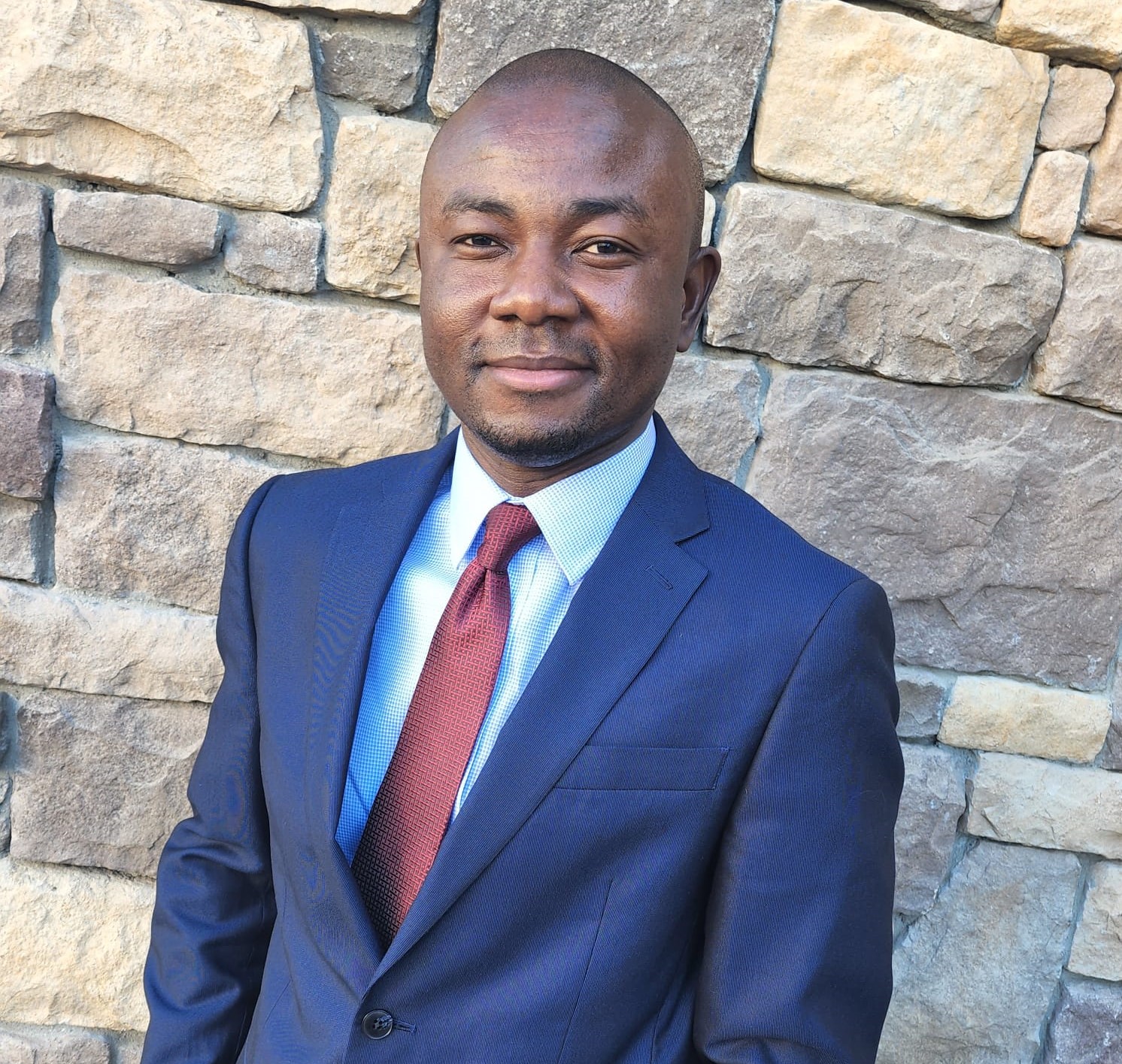
Riki Hay, Assistant Director for Global Engagement
Riki Hay, assistant director for global engagement with Penn State Global, explores how we think about intercultural communication in our work lives. Through her work with intercultural assessments, Hay and the Global Engagement team work to make the assessment tools offered at Penn State Global accessible to all of the Penn State Community: faculty, staff, and students.
The team offers assessment-based and concept-based workshops that introduce participants to topics including but not limited to behavioral preference mapping, unconscious bias, and cultural intelligence. Through this work, the team has conducted over 2,114 Cultural Intelligence (CQ) and 1,769 Intercultural Development Inventory (IDI) assessments. These assessments give individuals and groups a lens to approach the differences we all hold in conflict styles, behavioral preferences, and value systems. Assessments can be requested using the Intercultural Assessment Project Interest Form.
Through workshops, self-reflection, and the sharing of a variety of “tools,” those who participate in their work have an opportunity to grow personally and interculturally. Hay’s work supports cultural connections, intercultural understanding, and the continuing discussion around the efficacy of the United Nations Sustainable Development Goals (SDGs). This conversation discusses work in support of SDGs 4: Quality Education; 7: Decent Work and Economic Growth, and 9: Industry, Innovation and Infrastructure.
(This conversation has been edited for length and clarity.)
Where did your interest in intercultural communications begin? Was there a particular moment or experience?
During my undergraduate studies, a friend encouraged me to apply to participate in a spring break service-learning trip to Guatemala. That experience completely changed my career and life trajectory. Through that experience, I realized there were many different perspectives on the history I learned in school, the value of walking alongside folks, and that I was completely enamored with “culture.” I wanted more. From the basis of that experience, I decided to study in Central America (Guatemala, Nicaragua, and El Salvador) and do homestays during that time. The program I studied was called “Peace, Justice, and Community Engagement.” The lessons I learned in that program, and the deep cultural experiences I had while I was there, continue to fuel the work I do today.
Why should we assess cultural competence? How are these assessments used?
The assessments are used as reflective instruments. They show points of strength and weakness that each participant can use to learn how to fill skill gaps. An individual can reflect on their culture and how they show up in certain situations. The results show what default preference an individual has and how they prefer to communicate and operate in everyday life. If multiple participants from the same team take the assessment together, the strengths of the entire group quickly emerge. Most likely, team gaps also emerge, which helps the team make a plan for adding extra support to those areas. So participants need to take that information and learn how to fill in these gaps. Each tool (IQI and CQ) offers a development plan based on their individual results.
We have workshops like behavioral preference mapping where individuals rate themselves on spectrums that look at traits like individualism versus collectivism and direct or indirect communication styles to name a few. Then we can assess as a team to see where people are mapped.
How do these assessments align with the Sustainable Development Goals?
The assessments, self-reflection, and workshops create the space for effective communication. The more self-aware we are, the better we can flex our behaviors to work more effectively with others, because we all have different life experiences and behavioral preferences. Much of this work helps participants understand themselves and how others might interpret their words and actions. If we understand this, we might be able to stop bias or microaggressions before we enact them, making our student organizations, classrooms, and campus community a better place to be.