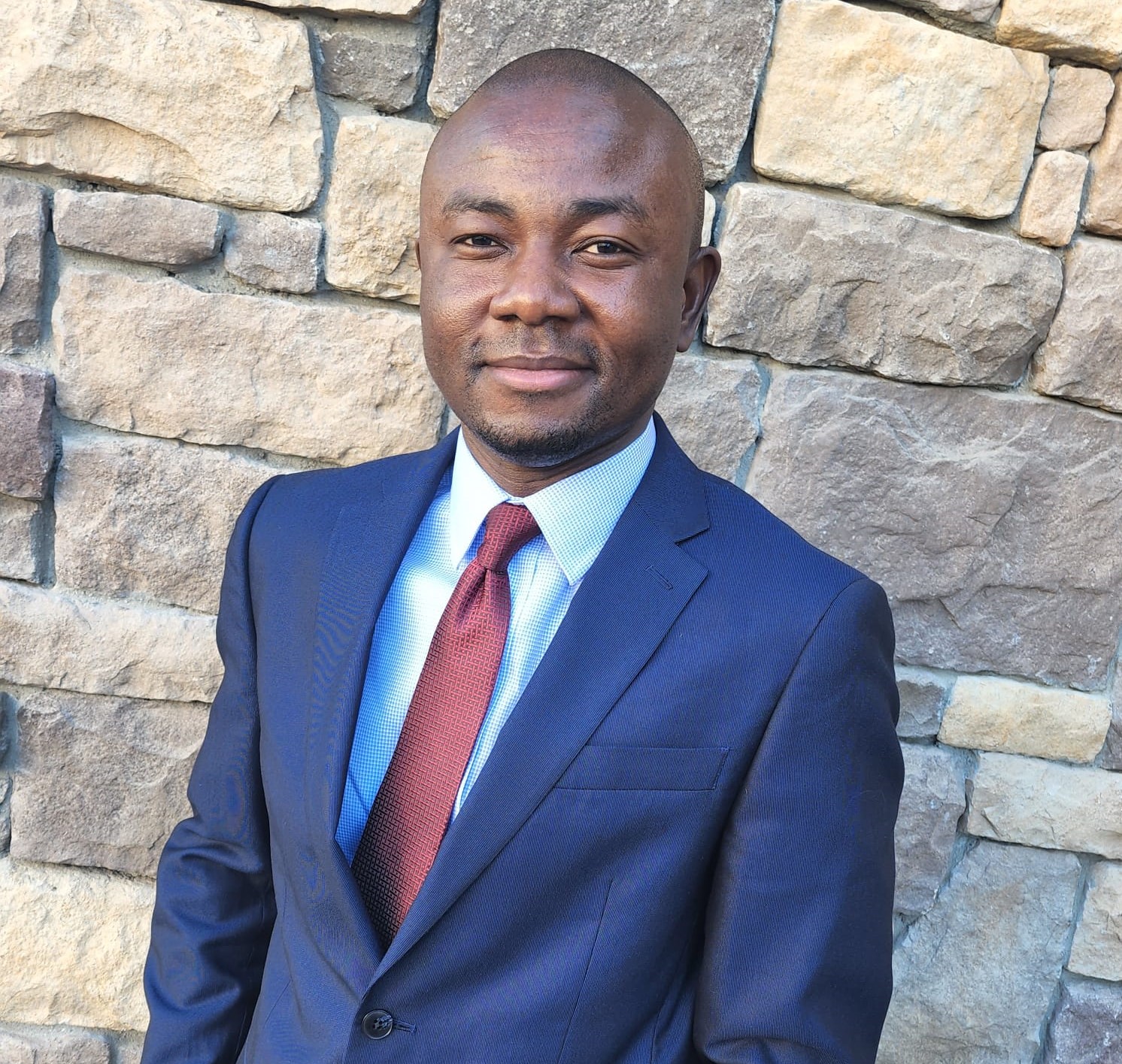
Leslie Pillen, Marta Plumhoff and Kylie Field of the Feed the People Market Stand
Penn State’s Feed the People Market Stand has been operating on the University Park campus since 2022. In 2026, the stand will be open for a record number of weeks, providing fresh produce to students Wednesdays from 2-4 p.m at the HUB Atrium info tables (off Pollock Road). During a recent interview, we sat down with Leslie Pillen (associate director, farm and food systems), Marta Plumhoff (food systems coordinator), and Kylie Field (undergraduate student in nutritional sciences) who help coordinate the Market Stand, to reflect on its purpose and impact.
The Market Stand sources produce from the Dr. Keiko Miwa Ross Student Farm, less than five miles from the University Park campus, which fosters programs that demonstrate a local and sustainable farm-to-table food system. Student Farm programming includes cooking demonstrations, farm volunteering, community meals, and creative activities, to name a few.
(This conversation has been edited for length and clarity.)
Can you speak on how the idea for the Feed the People Market Stand came about?
Leslie Pillen (LP): There has been a lot of attention on student food insecurity for years. The question of accessibility to full-service grocery stores kept coming up. Four years ago, the Penn State Student Farm launched the Feed the People Market Stand, answering the question, “What if students had on-campus access to fresh produce provided from Student Farm operations?” The number of weeks we have been able to offer the Market Stand has varied over the years, but we’re happy that this year we will operate for a record number of weeks over the course of the year.
Students are our main demographic who utilize the Market Stand, but faculty and staff are also welcome. The market’s mission is to fill the gap in food insecurity for students so we’re thinking of ways we can make this resource more accessible.
Marta Plumhoff (MP): This summer (2026) we partnered with the colleges of Agricultural Sciences and Engineering, and the Eberly College of Science, to focus on providing this resource in areas where graduate students frequent or can easily access since they are the largest student population over the summer.
LP: Students often feel like “I don’t want to take too much,” because they feel like someone else needs it more. But, the market’s response is, “If you’ll eat it and enjoy this fresh produce, please take it.” The Student Farm is big enough that we’re able to send in enough. Even during the first week of classes, we ran out of produce but the farm was able to send another shipment in the middle of our market timeslot.
Who can get involved in food production at the Student Farm? How do students know what is being grown on the farm?
MP: We keep a volunteer signup open on our website. Anyone can sign up for drop-in times whether alone or with a group. Pretty much any student in any major, at any level, can get involved more regularly in the Student Farm as a volunteer or farm worker. Applications open for our annual cohort internship in the fall prior to each season. So if students want to work on the farm for a full growing season, in a paid role, applications are open now for the 2027 growing season. We get a lot of interest from the College of Agricultural Sciences, and always have a few students from other colleges as well. This year we have students from political science and Italian majors who volunteer on the farm. We like to say that “everybody eats” so it’s a great space to get involved in learning about our food system.
LP: Our food production generally follows a seasonally appropriate schedule. So when people look up what’s in season at any time for this region, we most likely have something on the schedule. Our Instagram highlights some of the crops we have available so students can stay up to date. We’re expecting that some summer crops will still be available for the first few weeks of fall semester, but we’ll look out for that seasonal change coming soon. We also have a portion of the farm that is designated for Indigenous crops. We have had seed sharing from an Indigenous group in New York, and also work to send seeds back to their sources. Some of those Indigenous crops will be featured at our Harvest Festival this year.
Kylie Field:The farm is a sustainable community resource because we use several sustainable production practices including integrated pest management, row covers, crop rotation, and beneficial insects to control pests and pathogens. We also use drip irrigation across the farm. From a broader community sustainability stance, anyone from the community can come help out and see how the farm operates. It’s an incredibly practical learning experience.